
Menopause, Muscle Pain and Remedial Massage: What Can Help (Especially in the Ballarat Cold)
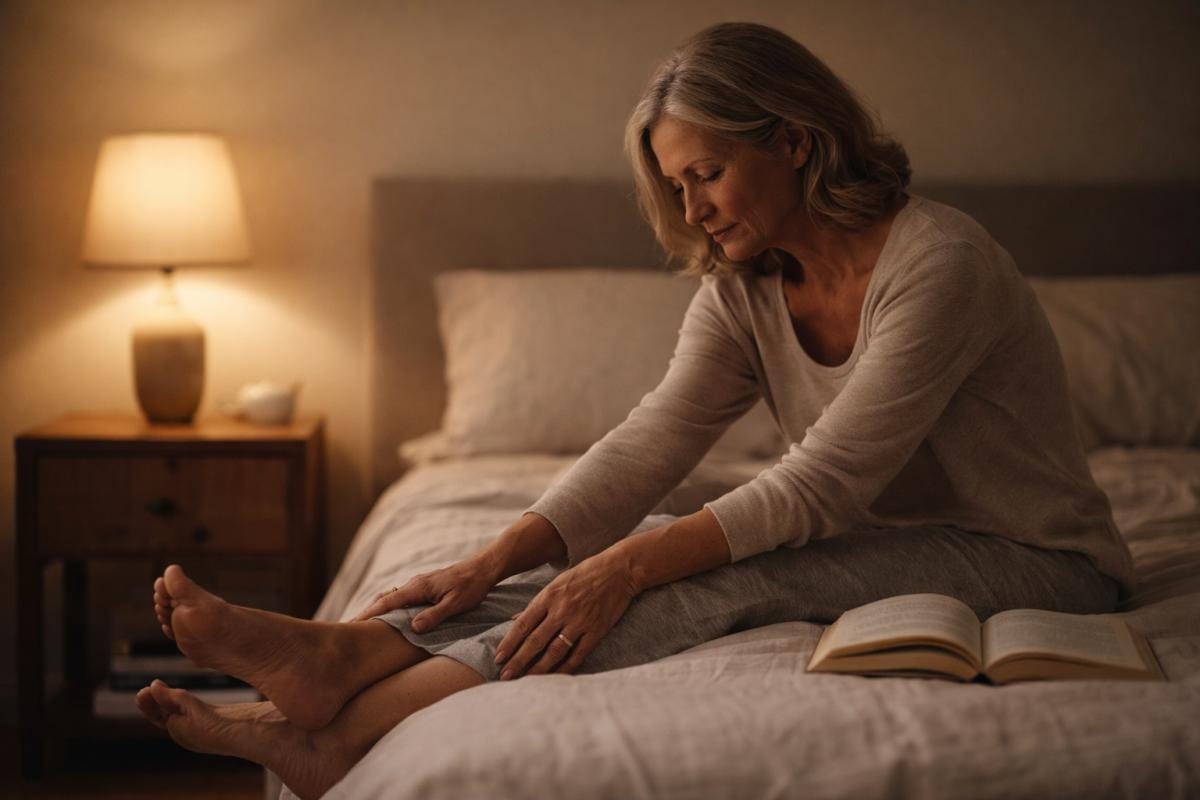
Remedial massage won’t change your hormones or “fix” menopause, but it can be a practical support tool: easing muscle guarding, helping you move more comfortably, and often improving that wound-up, can’t-switch-off feeling that keeps pain simmering at night. The research on manual therapy in menopausal women is promising but mostly short-term and lower quality, so it’s best seen as part of a bigger plan (GP care, strength, movement, sleep support).
If your symptoms are severe, sudden, worsening, or you’re unsure what you’re dealing with, it’s worth checking in with your GP.
If your muscles feel “different” after 40, there’s usually a reason
A lot of women describe the same shift:
- you wake up stiff and “rusty”
- your neck and shoulders tighten faster (desk work, driving, stress)
- hips and glutes feel grippy, especially after sitting
- your back flares after gardening, cleaning, or a long car trip
- winter hits and everything feels tighter
Hormone changes are only one piece, but they matter. With the decline in oestrogen around menopause, women can experience a rapid drop in muscle mass and strength and may become more prone to aches, pains, and injury niggles from the same activities they’ve always done.
Add poor sleep, higher stress load, and cold weather that makes muscles feel less pliable, and it can feel like your body has stopped “bouncing back.”
Muscle pain vs joint pain vs “something else”
You don’t need to diagnose yourself, but a few simple distinctions can help you decide what support you need.
Muscle pain often feels like:
- tight, ropey, or “held”
- tender to press
- worse after stress, long sitting, or repetitive tasks
- sometimes better with warmth, gentle movement, and hands-on work
Joint or inflammatory pain can feel like:
- deeper ache, stiffness, or sharp catching
- swelling, heat, or visible redness around a joint
- morning stiffness that lasts a long time
- pain that doesn’t change much with massage or stretching
Signs it’s worth seeing your GP promptly
- sudden severe pain (especially chest, jaw, left arm, or calf swelling)
fever, unexplained weight loss, night sweats - new significant weakness, numbness, pins and needles, or loss of bladder/bowel control
- a joint that’s hot, swollen, and very painful
- pain that’s steadily worsening despite rest and support
Many women do have a blend: muscular tension plus joint irritation plus poor sleep. That’s common, and it’s also why a one-track solution rarely feels like enough.
Why menopause can amplify aches and stiffness
Here’s the plain-English version:
- Tissues cope differently with load. Oestrogen influences muscle, tendon, ligaments and bone health, and changing levels can affect comfort and recovery.
- Pain sensitivity can increase when sleep is poor. When you’re not sleeping deeply, your system is more reactive, and everything feels louder.
- Stress keeps muscles “on.” A busy nervous system often shows up as jaw clenching, shallow breathing, neck tension and headaches.
- Cold weather adds another layer. In winter, a lot of people naturally move less and feel stiffer; warmth and movement usually help.
Can remedial massage help menopause-related muscle pain?
It can help, in a supportive, practical way.
A 2024 systematic review looking at manual therapy for musculoskeletal pain in menopausal women found most included studies reported pain reduction, but they also noted high risk of bias, small sample sizes, and mostly short-term follow-up, so the results need to be interpreted carefully.
When you zoom out to massage therapy for pain more broadly, a 2024 JAMA Network Open evidence map found that across recent systematic reviews, no conclusions were rated “high certainty”, and most were low or very low certainty, with a smaller number at moderate certainty. That’s not “massage doesn’t work”; it’s a reminder to keep expectations grounded and individual.
What many women still notice (and what massage is well-suited for):
- less muscle guarding and “holding”
- easier movement in the neck/shoulders/hips/back
- fewer tension headaches (when jaw/neck/scalp are involved)
- feeling calmer after a session, like your body finally unclenched
- better sleep when night-time pain and nervous system tension are part of the picture
On the sleep side, a small study in postmenopausal women with insomnia found therapeutic massage reduced insomnia severity and improved mood symptoms, with changes also seen on sleep studies (polysomnography).
What remedial massage can realistically do (and what it can’t)
Remedial massage can help with:
- muscular tightness, trigger points, and overworked patterns
- tension related to stress and poor sleep
- soreness that’s linked to posture load (desk work, driving, caregiving)
- supporting comfort so movement feels possible again
Remedial massage can’t:
- treat hormonal drivers of menopause
- “cure” arthritis or inflammatory disease
- replace strength training, rehab, or medical care when those are needed
- guarantee results (especially for widespread or complex pain)
If you’ve tried massage before and felt worse for days: that doesn’t mean massage isn’t for you, it often means the pressure, pacing, or style wasn’t right for your current body.
What menopause-aware remedial massage looks like in clinic
A good session shouldn’t feel like you’re bracing your way through it.
A menopause-aware approach usually includes:
- A proper intake: where you’re at (peri/post), sleep, stress load, activity, injuries, other conditions, medications (including HRT).
- Pressure matched to your nervous system: some days your body wants firm, specific work; other days it needs slower, lighter, settling work first.
- Common focus areas: neck/shoulders, upper back, jaw; low back/hips/glutes; sometimes calves/feet if night cramps or leg tension are part of it.
- A plan, not a “one-off hope”: a short run close together if things are flared, then spacing out once your baseline improves.
This is the same “results-driven but not punishing” feel you’ll recognise from your existing clinic style.
How often should you book for menopause aches?
There’s no perfect schedule, but these are sensible starting points:
- If you’re in a flare (sleep disrupted, pain up): weekly to fortnightly for a short block
- If you’re managing ongoing tightness: every 3, 6 weeks
- During high stress or winter stiffness: a bit more frequently can help keep things from building up
The goal is measurable change: less background ache, easier mornings, better sleep, more confidence to move.
Is remedial massage safe if I’m on HRT or menopause medication?
For most people, yes, massage is generally a low-risk therapy when it’s tailored to you.
What matters is your full picture (blood pressure issues, clotting history, cancer tro conditions, recent surgery, nerve symptoms). A good therapist will ask the right questions and adjust technique and positioning accordingly.
If you’re ever unsure, it’s completely fine to bring it up with your GP and keep your care team in the loop.
Simple things that help between sessions (especially in Ballarat’s cold)
You don’t need a perfect routine. You need repeatable, small things.
- Heat before movement: warm shower, heat pack, extra layers before your walk (winter stiffness is real).
- “Movement snacks”: 2, 3 minutes every hour (shoulder rolls, hip circles, a short walk inside).
- Gentle strength: especially hips, glutes, upper back. The aim is “supported and steady,” not smashed.
- Sleep wind-down: lower lights, warm drink, phone away earlier than you’d like (pain is louder when you’re overtired).
FAQs
Why do my muscles ache more since perimenopause?
Hormonal shifts can change tissue resilience and recovery, and many women also hit a stretch of poorer sleep and higher stress load at the same time. Those factors together can amplify aches and tension.
What’s the difference between menopause muscle pain and arthritis or fibromyalgia?
Muscle pain tends to feel tight, tender and changeable with stress/position/heat. Arthritis often involves joints, stiffness, and sometimes swelling. Fibromyalgia is more complex and often includes widespread pain, fatigue and sleep disturbance. If you’re unsure, a GP assessment helps rule out inflammatory or systemic causes.
Does massage help with menopause sleep problems and night-time pain?
Some research in postmenopausal women with insomnia found therapeutic massage reduced insomnia severity and improved mood symptoms, with changes seen on sleep studies, but it was a small study, so it’s best viewed as encouraging rather than definitive.
Remedial vs relaxation vs deep tissue, what’s best?
If your main issue is persistent muscular tightness and movement restriction, remedial is often the most targeted. If your main issue is nervous system overload, a slower “recovery” style (not necessarily deep) can be the best starting point. Deep pressure isn’t automatically better, the best results come from the right pressure.
If you’ve been told “it’s just ageing”
If your body feels unfamiliar after 40, that’s a real experience, and you deserve support that takes it seriously.
If you’d like to see whether menopause-aware remedial massage could help reduce your muscle tension, ease winter stiffness, and make sleep and movement feel more manageable, you’re welcome to book in and start with a calm first session. We’ll work with your comfort level, focus on the areas that matter most, and adjust as we learn what your body responds to.