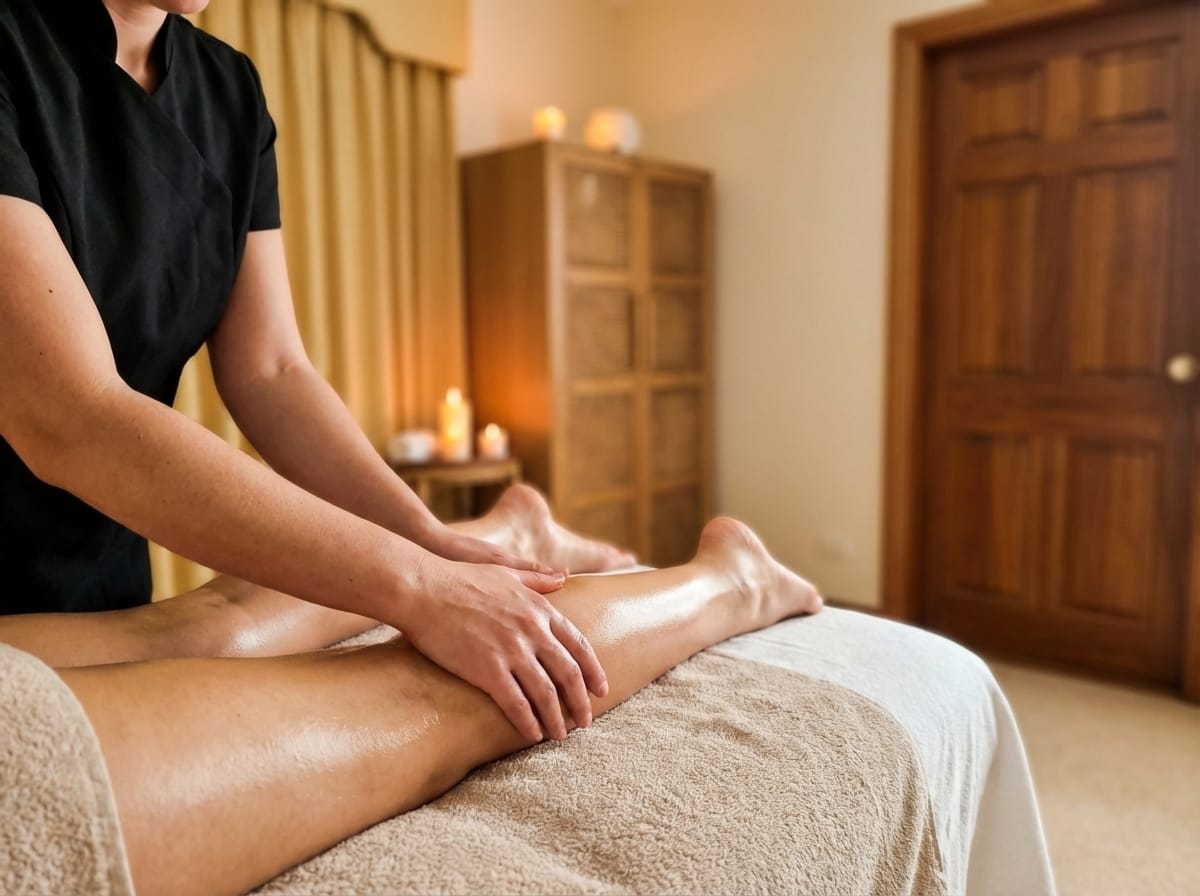
If you’re a woman over 40, chances are your body has started giving you “feedback” in ways it didn’t used to.
Maybe you wake up with a stiff neck for no obvious reason. Your shoulders feel tight after sitting at a desk. Your lower back flares up after gardening, cleaning, or a long car trip. Or you feel like you’re doing all the right things, stretching, walking, trying to stay active, but your muscles still feel sore, heavy, or tense.
This is exactly where remedial massage can make a real difference.
Unlike relaxation massage (which is mainly about switching off), remedial massage is focused and results-driven. It’s designed to help with muscular pain, tension patterns, injury recovery, and movement restrictions, so you can get back to feeling like yourself again.
What Is Remedial Massage?
Remedial massage is a form of therapeutic massage that targets specific problem areas in the body. Your therapist assesses what’s going on in your muscles, joints, and posture, then uses targeted techniques to reduce pain, release tightness, and restore function.
It can help address common issues like:
- Tight shoulders and neck tension
- Lower back pain
- Headaches linked to muscle tightness
- Hip or glute tightness
- Sciatica-like symptoms (muscular referral)
- Jaw tension and clenching
- Sports, gym, or walking-related strain
- Repetitive work pain (typing, lifting, standing)
The goal is not just “feeling good for a day”, it’s helping your body recover, reset, and work better long-term.
Why Women 40+ Often Need a Different Approach
Your body is still strong, capable, and adaptable, but after 40, the way it responds to stress, workload, and recovery often shifts.
A few reasons remedial massage becomes especially valuable in this stage of life:
1) Recovery takes longer
Things you could bounce back from easily at 30 may linger at 40+. Muscles tighten more quickly, and inflammation can hang around longer after strain or overuse.
2) Hormonal changes affect muscle and joint comfort
Perimenopause and menopause can affect tissue hydration, circulation, sleep quality, and pain sensitivity. Many women report more stiffness, general aches, and tension during this time, particularly in the shoulders, hips, and lower back.
3) Life load is real
Women 40+ often carry a huge mental and physical load: work stress, family logistics, caregiving, running a household, or simply being “the one who holds it all together.” This stress shows up in the body, usually as jaw tightness, shoulder tension, headaches, and shallow breathing patterns.
4) Your posture habits are locked in
Years of desk work, driving, and device use can create long-term patterns like rounded shoulders, forward head posture, and tight chest muscles, which leads to ongoing neck and upper back tension.
Remedial massage helps break these patterns and gives your body a chance to reset.
The Benefits Women 40+ Notice Most
While every body is different, many women experience noticeable improvements in a few key areas:
Less pain and tightness (especially neck, shoulders, and lower back)
Remedial massage helps reduce “protective tightness,” where muscles stay switched on even when they don’t need to.
Better movement and flexibility
Tight muscles limit joint motion. When those muscles relax and lengthen, movement becomes easier, walking, bending, reaching, training, even sleeping.
Improved circulation and tissue recovery
Massage increases blood flow to muscles, which supports healing and reduces heaviness and fatigue.
Fewer tension headaches
Headaches are often linked to tight neck, scalp, jaw, and shoulder muscles. Addressing the trigger points can reduce frequency and intensity.
Better sleep
When pain eases and the nervous system calms down, sleep improves, and better sleep means better recovery.
A calmer nervous system (without needing to “push through”)
Many women don’t realise how switched-on their bodies are until they finally relax. Remedial massage helps shift you out of stress mode and back into a regulated state.
What Happens in a Remedial Massage Session?
A quality remedial session is more than lying down and hoping for the best. A good therapist will:
- Ask about your pain, lifestyle, stress levels, and activity
- Assess posture or movement patterns when relevant
- Identify which muscles are overloaded or restricted
- Use targeted techniques (firm pressure where needed, gentle where appropriate)
- Provide advice for recovery and prevention (stretches, hydration, strengthening)
Depending on your needs, they may use techniques such as deep tissue work, trigger point therapy, myofascial release, and stretching.
And importantly, remedial massage should never feel like punishment.
Yes, some areas can be tender, but it should always feel purposeful, safe, and tailored to your tolerance. The best results come from the right pressure, not the most pressure.
Is Remedial Massage Right for You?
Remedial massage can be a powerful option if you’re experiencing:
- Ongoing aches that keep coming back
- Tightness that limits movement or makes exercise uncomfortable
- A “stuck” feeling in your body, especially hips, back, or shoulders
- Fatigue and muscle soreness that doesn’t match your activity level
- Stress tension and poor sleep
- An injury that has healed but still feels tight or restricted
It’s also great if you’re active and want to stay that way, Pilates, walking, gym training, gardening, tennis, hiking, whatever your lifestyle is, your muscles deserve proper recovery.
How Often Should Women 40+ Get Remedial Massage?
This depends on your goals.
- For pain relief or injury support: weekly to fortnightly at first
- For maintenance and prevention: every 3, 6 weeks
- During high-stress periods: more frequent sessions can help regulate the nervous system and reduce muscle tension buildup
Think of it like a tune-up for your body, not because something is “wrong,” but because you’re taking care of the system that carries you through everything.
You Don’t Have to Live With Tightness as “Normal”
Aches and tension are common after 40, but they shouldn’t be your default.
Remedial massage can help you move more freely, feel lighter, recover faster, and stay strong for the life you’re living now, and the one you’re building next.
If you’ve been putting up with tight shoulders, sore hips, or an aching back because you assumed it’s “just age,” consider this your permission to do something about it.
Your body isn’t failing you, it’s asking for support.

A WordPress Commenter says:
Hi, this is a comment.
To get started with moderating, editing, and deleting comments, please visit the Comments screen in the dashboard.
Commenter avatars come from Gravatar.